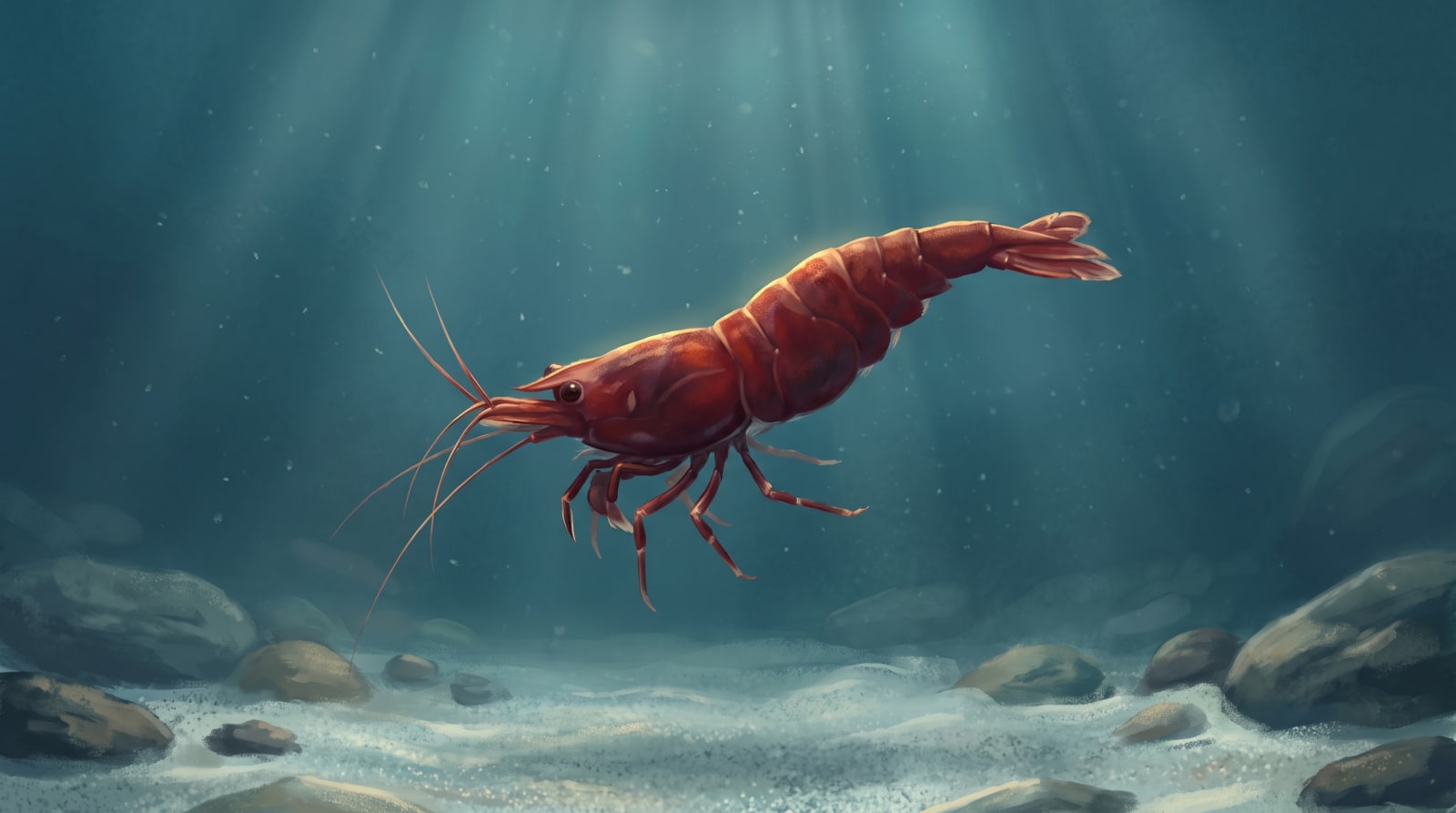
Cherry shrimp prices in the UK are refreshingly simple, which is lucky, because almost everything else about buying livestock is a judgement call. There are really only two numbers to know: standard shrimp cost £2–4 each, and high-grade lines sell as groups at £30–50 per 10. That's the whole market. This guide is about what sits inside those two numbers — what pushes a shrimp to the top or bottom of its band, what postage realistically adds, and how to read a price that looks too good to be true.
The two numbers that cover the whole market
Standard-grade cherry shrimp — hardy, healthy, perfectly good animals — cost £2–4 each, whatever the colour. A starter group of ten standard shrimp is therefore a £20–40 purchase, which is the figure most first-time buyers are actually working with.
High-grade lines, the ones with deep, even, fully covered colour, are sold by the group rather than singly, at £30–50 per 10, with the rarest lines sitting at the top of that range. Selling in tens isn't a sales tactic; it's how you buy shrimp sensibly, because a colony needs both sexes and some genetic breadth, and it's why the per-shrimp price eases when you buy a proper group.
One thing that surprises people: colour barely moves the base price. Grade does. A standard red and a standard blue cost about the same, and a top-grade example of either costs more than a scruffy one of the other. You're paying for depth and coverage of colour, not the colour itself.
What moves a shrimp within those bands
Four things decide where a given shrimp lands between cheap standard and the top of the high-grade range.
Grade. This is the big one. Colour coverage, depth and consistency across the whole animal — and down into the legs — separate a £2 cherry from a group worth £30–50 per 10. The red ladder runs Cull, Cherry, Sakura, Fire Red, Painted Fire Red, and every rung up is more selective breeding banked into the price. The full picture is in the Neocaridina grades guide.
Line and rarity. Common reds and blues are cheapest simply because they're everywhere. Rarer or harder-to-hold lines — deep greens like green jade, certain blues, anything a breeder struggles to keep true — sit at the top of the range because fewer people can produce them well. Rarity is genuine cost, not just a label.
Breeder reputation. A specialist who keeps documented water, photographs their actual stock, and can tell you the GH, TDS, age and generation of what they're selling can fairly charge the top of a band — and is usually worth it, because you're buying known genetics raised in stable conditions. The questions that separate that seller from a chancer are in 10 questions to ask your shrimp breeder.
Group size. Buy singly and you pay the single-shrimp price; buy a group of ten and the maths improves, which is exactly why high grades are quoted per 10. It's also the right way to buy regardless of price — ten shrimp found a colony, three don't.
What postage adds
The price quoted for the shrimp is rarely the whole cost, because most cherry shrimp travel to you by courier. Postage adds a few pounds to an order, and how many depends on the service. An economy option is cheapest; guaranteed next-day delivery, which is what livestock really wants, costs more, and a winter heat pack adds a little again. Many sellers set a minimum order or offer free postage above a threshold, which is part of why buying a proper group works out better per shrimp than a token few.
We're deliberately not quoting a shipping figure, because it varies too much by seller and service to pin down honestly. Treat it as a real but modest addition, and judge the total rather than the headline shrimp price. What that money buys you — insulated boxes, proper bags, heat packs, a live-arrival guarantee — is worth understanding before you order, and it's covered in how shrimp are shipped. Packaging is not where you want the cheapest seller to have saved money.
Why some cherry shrimp cost more
When a group is genuinely at the top of the £30–50 range, you're usually paying for work rather than hype. Holding a line at the top grades takes constant culling and selection — every generation throws variation, and someone has to keep removing the weaker colour to stop the line drifting back. That labour is real, and it's what a fair high-grade price reflects.
The trick is telling earned premiums from invented ones. A rare line, deep even colour across the whole group, and a breeder who can prove how they keep their stock all justify top-of-range money. A creative name on a listing, or two good-looking females photographed to sell a group of average shrimp, do not. Cross-check colour against the grading ladder above, and judge the whole group rather than the best two at the front of the tank.
The red flags of cheap shrimp
A price well below £2 a shrimp is telling you something, and it pays to listen. Usually it means culls, mixed lines, or a colony being cleared out in a hurry. Sometimes that's a fine deal — a cheap mixed batch is good fun for a colourful "skittles" tank if you go in knowing what it is. It's never a foundation for breeding true colour.
The specific trap is "assorted colours" sold cheap. Mixed Neocaridina lines interbreed freely, and their offspring drift back towards a muddy wild-type brown within a couple of generations, so today's bargain rainbow tank becomes next year's tank of brown shrimp. That genetic catch is explained in can you mix Neocaridina colours. And whatever the price, run the same health check on the stock: active grazing, intact antennae and legs, even colour, and no deaths in the tank. The full list is in what healthy shrimp look like — a bargain that fails it isn't a bargain.
What you should actually budget
So, honestly: a proper starter colony of ten standard cherry shrimp costs £20–40 plus a few pounds of postage, and a high-grade group runs £30–50 per 10 plus postage. Collecting in person from a local keeper takes postage out of the sum altogether, which is one more reason a breeder in your own area is the sleeper-best option in the whole hobby. Set against the tank, filter, plants and kit that make up a shrimp setup, the livestock is the cheap part either way — which is the best argument there is for buying ten good shrimp rather than three cut-price ones. The channels those prices come through, and which suits which buyer, are compared in where to buy cherry shrimp in the UK.
Our own colony is rebuilding as we write, so we've nothing to sell you today — but if you'd like first refusal when the next broods are graded and priced, join the waitlist and you'll get the email before the shrimp reach the shop.
FAQ
How much do cherry shrimp cost in the UK?
Standard-grade cherry shrimp cost £2–4 each, whatever the colour, so a starter group of ten is £20–40. High-grade lines — deep, even, fully covered colour — are sold in groups at £30–50 per 10, with the rarest lines at the top of that range. Postage adds a few pounds on top for shipped orders. Those two bands cover essentially the whole UK market, and anything far outside them is worth questioning.
Why are some cherry shrimp so expensive?
Grade and rarity. A high-grade shrimp has deep, even colour covering the whole body and legs, and holding a line at that standard takes constant selective breeding and culling — that labour is what you're paying for. Rarer lines cost more simply because fewer breeders can produce them well. A fair top price reflects genuine work and genetics; an inflated one reflects a creative listing name, which is why judging the actual stock matters more than the title.
How much does a group of 10 cherry shrimp cost?
For standard grade, ten shrimp at £2–4 each works out at £20–40. For high-grade lines with deep, full colour, a group of ten is £30–50, with rare lines topping that range. Buying by the ten is the sensible way in any case: a colony needs both sexes and some genetic breadth, and the per-shrimp price is usually kinder in a group than buying singly. Add a few pounds for postage on shipped orders.
Are cheap cherry shrimp worth it?
Sometimes, if you know what you're buying. Shrimp well under £2 each are usually culls, mixed lines, or a colony being cleared — fine for a casual colourful tank, but a poor foundation for breeding true colour, because mixed lines revert to brown within a couple of generations. Whatever you pay, insist on healthy, actively grazing stock with no deaths in the tank. A cheap price on unhealthy or mixed shrimp is the most expensive kind.
Does postage cost extra when buying shrimp online?
Almost always, yes. Most sellers charge for courier delivery on top of the shrimp — a few pounds, depending on the service, with guaranteed next-day and winter heat packs costing more than economy options. Many set a minimum order or offer free postage above a threshold, which rewards buying a proper group. It's worth paying for reliable delivery: livestock arriving late or cold is a false economy, however cheap the postage looked.